
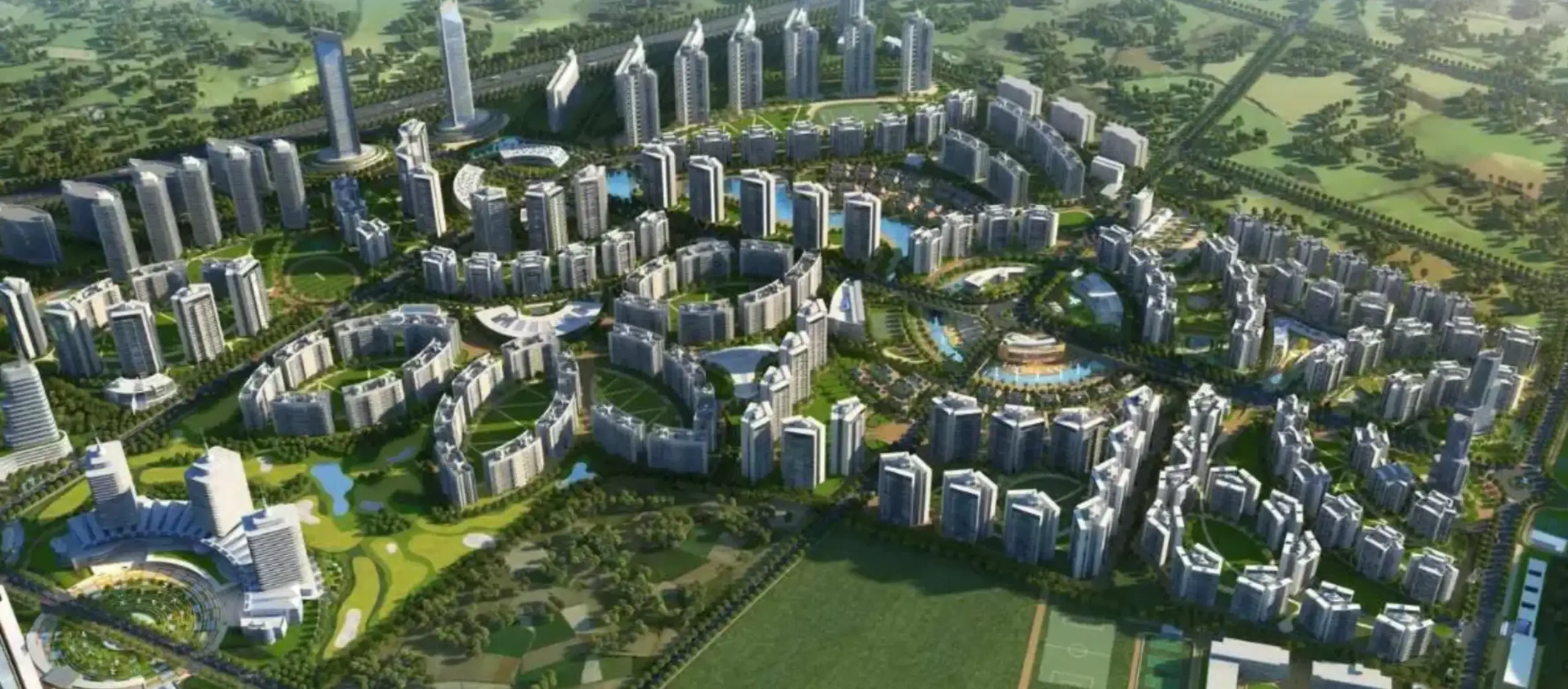
The way people evaluate homes in Pune has evolved significantly over the last decade. Buyers are no longer comparing only carpet areas, tower heights, or individual amenities. Increasingly, they are comparing living systems. This shift has accelerated the preference for integrated township living, where residential, social, and everyday needs are planned together rather than added in isolation.
Pride World City reflects this broader change in buyer thinking. It is not positioned merely as a residential project, but as a large, integrated township designed to function as a complete living environment.
Understanding why this format is gaining preference requires stepping back from individual features and looking at how daily life is structured within such communities.
The shift from homes to living environments
For a long time, home buying decisions in Pune were driven by proximity and price. Buyers accepted fragmented living environments because options were limited and the city was smaller. As Pune expanded, the shortcomings of fragmented growth became more visible.
Today’s buyers are increasingly aware that:
- Daily life extends far beyond the four walls of a home
- Commute stress, lack of open space, and fragmented amenities affect long-term satisfaction
- Convenience is as much about planning as it is about distance
This awareness has shifted focus from individual homes to integrated living environments.
What integrated township living means
An integrated township is not defined only by size. It is defined by intent and coordination.
At a functional level, township living brings together:
- Residential zones with planned internal circulation
- Social and lifestyle amenities designed for regular use
- Everyday convenience infrastructure such as retail and services
- Open and recreational spaces that are usable, not symbolic
The objective is to reduce friction between daily activities and living spaces, creating a more predictable and comfortable lifestyle.
Why this format appeals to long-term residents
Long-term residents value predictability more than novelty. Integrated townships internalise many dependencies that standalone developments outsource to the surrounding city.
This internalisation often results in:
- More consistent maintenance of shared spaces
- Better management of infrastructure and utilities
- Clearer planning for future phases and population growth
Residents are less exposed to sudden infrastructure gaps or congestion caused by unplanned development around them.
The role of planning discipline
One of the strongest advantages of integrated township living is planning discipline. Instead of reacting to growth, townships anticipate it.
Planning discipline shows up in:
- Road widths and traffic segregation
- Pedestrian safety and walkability
- Distribution of amenities across the site
- Phased development aligned with infrastructure capacity
This discipline becomes more important as the population within the township grows.
Continuity within one ecosystem
Another major reason buyers prefer township living is continuity. Within an integrated ecosystem, residents can adapt their housing choices over time without changing their broader living environment.
This supports:
- Upgrading to larger homes as families grow
- Downsizing later without relocating far
- Maintaining social connections built over years
In a city where relocation costs—financial and emotional—are rising, this continuity carries significant value.
Pride World City as an example of ecosystem thinking
Pride World City illustrates how township planning moves beyond isolated residential delivery. Its scale allows multiple elements of daily life to coexist within one address.
Instead of depending entirely on external systems, the township integrates:
- Residential clusters with varied configurations
- Social spaces that encourage regular interaction
- Internal infrastructure designed to scale with occupancy
This ecosystem approach supports long-term Lifestyle improvement rather than short-term appeal.
Why distributed amenities matter
In many smaller developments, amenities are concentrated in limited areas, leading to congestion or underuse. Integrated townships distribute amenities across the site.
This distribution:
- Improves accessibility for residents across clusters
- Prevents overcrowding in common areas
- Encourages multiple micro-communities within the township
Over time, this leads to more balanced usage and stronger neighbourhood identity.
Reducing dependence on external infrastructure
One of the defining benefits of township living is reduced dependence on external infrastructure for daily needs. When schools, retail, healthcare access, and recreational spaces are planned within the township, residents spend less time navigating city traffic for routine activities.
This independence becomes increasingly valuable as surrounding areas densify, and traffic volumes rise.
Community formation as a design outcome
Community does not emerge automatically. It is shaped by how spaces are designed and used.
Integrated townships encourage community formation by:
- Creating shared spaces that invite interaction
- Designing amenities for frequent, everyday use
- Supporting informal social networks across age groups
Over time, these interactions build familiarity and trust among residents, contributing to a more settled living environment.
Alignment with Pune’s outward growth pattern
Pune’s growth is outward rather than vertical. Integrated townships align well with this pattern because they allow the city to expand without fragmenting into disconnected pockets.
Township formats:
- Absorb population growth in a structured way
- Reduce pressure on existing urban cores
- Support balanced development across corridors
This alignment makes township living a sustainable solution rather than a temporary trend.
The buyer mindset shifts behind township preference
The growing preference for township living reflects a deeper change in buyer priorities. Buyers are increasingly optimising for:
- Quality of everyday life rather than occasional convenience
- Long-term comfort rather than short-term trade-offs
- Community and environment rather than isolated ownership
This mindset is particularly strong among families and buyers planning long stays.
Addressing common misconceptions about township living
Some buyers worry that township living might feel isolated or self-contained in a limiting way. In practice, well-planned townships function as extensions of the city rather than replacements.
They offer:
- Internal convenience for daily needs
- External connectivity for work and leisure
- A balance between privacy and community
This balance is what differentiates mature townships from gated enclaves.
Long-term relevance of integrated townships
As cities grow more complex, integrated townships are likely to become more relevant, not less. Their ability to internalise infrastructure, support community life, and adapt over time makes them resilient to change.
For buyers planning ownership horizons of ten years or more, this resilience is a significant advantage.
The bigger picture
The growing preference for integrated township living in Pune is not driven by fashion or marketing. It is driven by lived experience.
Pride World City represents this shift by offering a residential ecosystem designed around daily life rather than isolated features. For buyers who value planning, predictability, and long-term comfort, integrated township living increasingly feels like a practical choice rather than an aspirational one.
