
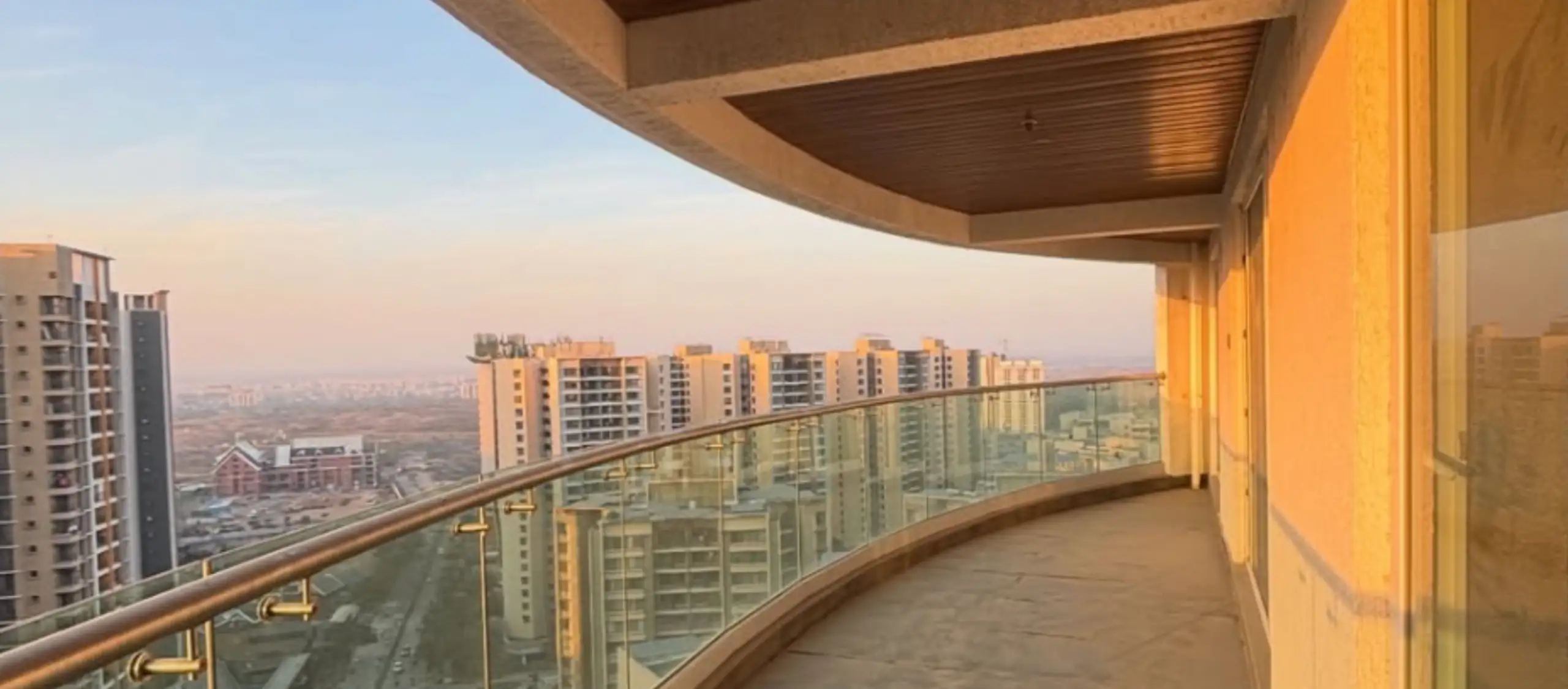
North Pune has entered a different phase of its real estate lifecycle. It is no longer discussed only in terms of potential, nor is it treated as a speculative edge market. In 2026, it stands as a functional, lived-in residential zone that is being evaluated seriously by end users, families, and long-horizon buyers.
This shift did not happen suddenly. It is the result of layered growth, where infrastructure planning, employment access, and residential formats have evolved together. To understand North Pune today, it is important to move beyond launch announcements and examine how the region actually functions as part of Pune’s urban system.
Why North Pune became relevant when it did
Cities like Pune do not grow evenly. They expand in directions where land availability, employment clusters, and connectivity align. North Pune benefited from this alignment later than the west or east corridors, which is why its growth curve looks different.
Earlier phases of Pune’s expansion absorbed demand into IT-heavy corridors and central zones. As those areas became denser and more expensive, buyers began evaluating regions that could offer:
- Larger residential layouts
- Better internal planning
- More control over future infrastructure
North Pune met these criteria without being disconnected from the city.
Infrastructure as a confidence builder, not a promise
One of the reasons North Pune has gained buyer confidence is the visibility of infrastructure rather than reliance on announcements. Roads, junctions, access corridors, and municipal upgrades have reached a stage where daily movement is predictable.
This predictability matters more than absolute distance. Buyers today measure locations by:
- Consistency of commute
- Number of route options
- Ease of peak-hour movement
North Pune performs reasonably well on these parameters, which makes it suitable for daily living rather than occasional use.
Buyer behaviour has shifted from opportunistic to intentional
The buyer mix in North Pune is no longer dominated by early-stage investors. Instead, it includes:
- Working professionals planning long stays
- Families upgrading from older city neighbourhoods
- Buyers prioritising planning and environment
This change in buyer intent stabilises the market. Areas driven only by speculative demand tend to fluctuate more sharply, while end-user-driven zones mature steadily.
How to read North Pune beyond price charts
Price trends alone do not explain residential health. In North Pune, stronger indicators include:
- Occupancy and community formation
- Presence of schools, clinics, and daily retail
- Evening and weekend activity patterns
These signals indicate whether an area is being lived in or merely traded.
The long-term residential role of North Pune
North Pune is gradually becoming a residential counterbalance to older, denser parts of the city. It offers a different value proposition: less congestion, more planning, and a slower but steadier growth trajectory.
For buyers looking beyond short cycles, this makes North Pune a structurally relevant part of Pune’s housing landscape.
